A community for solo founders
Free to join, by application. A private Slack, sessions and introductions for founders who have already started building.
Scroll to open the door
Pull up a chair.
Table for One is a small group of solo founders who have already started. You ask what you're stuck on, answer what you know, and get to know people building the same hard thing on their own.
Membership is free.
Who Table for One is for
- “I'm building this alone.”
- “Nobody gets what I do all day.”
- “My family thinks I'm unemployed.”
- “I'm building this around a full-time job.”
- “They said they'd buy it. Then they didn't.”
- “Am I the only one stuck on first customers?”
- “Should I keep going?”
If you've thought any of these this week, keep reading.
What you get at the table
01Anytime
The Slack
A private Slack for asking what you're stuck on and answering what you know. Post your pricing page, your cold email or your onboarding flow, and ask founders who are building too whether it makes sense.02Live
Sessions
Panels, live builds and Q&As with founders who have done the thing. In October, Yujian Yao, co-founder and CEO of Floot (YC S25), walked founders through what to build first and what to skip.03When it fits
Introductions
When someone at the table has worked through what you're stuck on, I'll introduce you.04Anytime
Member discounts
Member-only discounts on tools solo founders use.05Once a quarter
An open workshop
Ninety minutes, hands on keyboard. I set up one system on my own company, everyone sets it up on theirs, and you leave with it running in Claude.The people at the table
Founders building something real, on their own.
 AllisonBuilding Neura, parenting support for parents of neurodivergent kids.
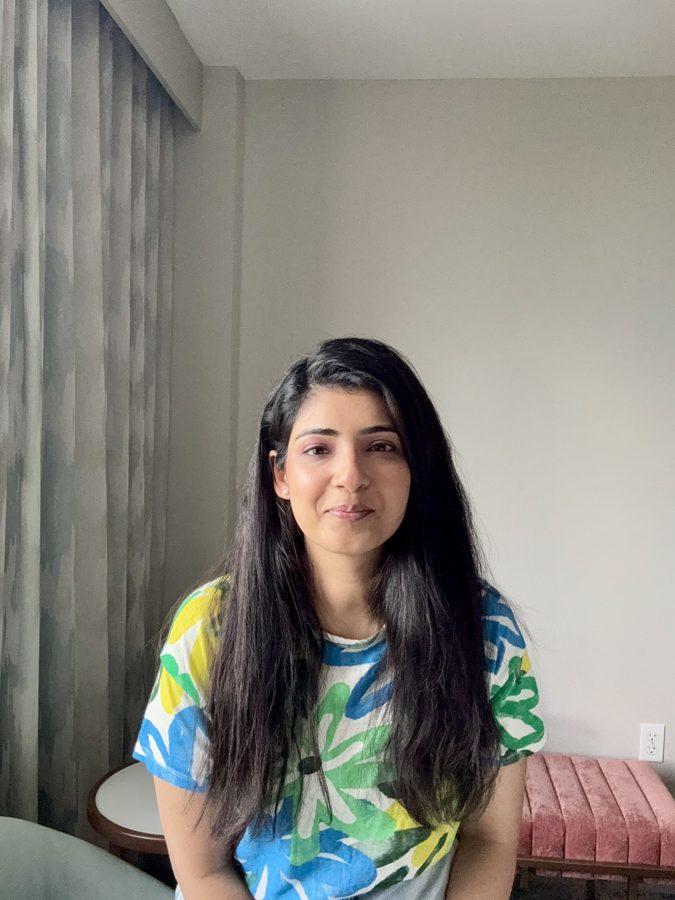

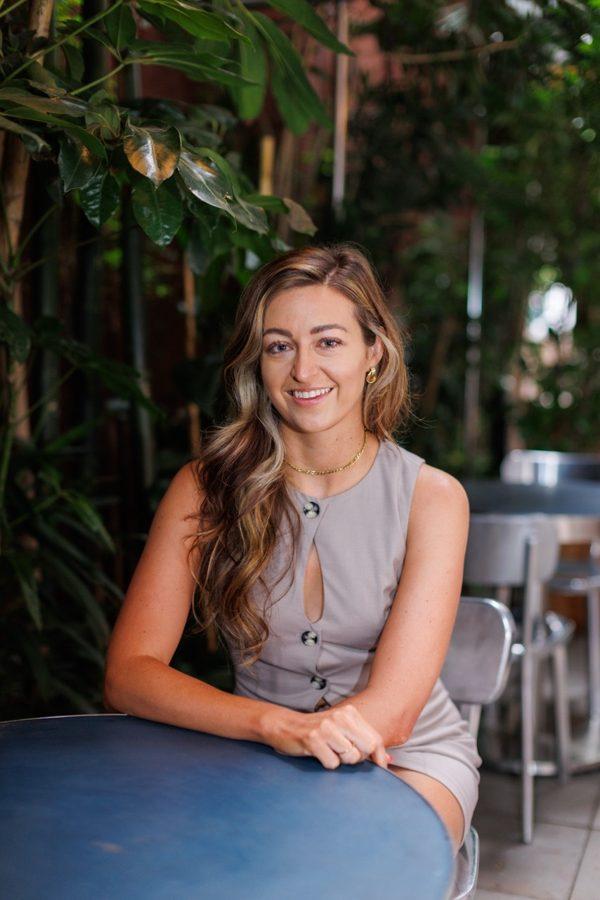
 MiloniBuilding Naia, rethinking how people shop for clothes.
A note from me
I'm Durva. For a year and a half I built Shezaar, a B2B marketplace that helped fashion brands get value from the inventory they were least proud of, the past-season runs, the misfits, the returns. I vibe coded it in Cursor, talked to hundreds of brands and hired nine people (and let four of them go).
I quit in February 2026. I loved the textile-waste problem but never loved fashion, and I stayed about six months longer than I should have.
Most of my worst calls at Shezaar, I made alone. I hired before I had work that needed the help, and I kept the product to myself because I wanted it polished before anyone saw it. Those months cost me feedback and users I could have learned from.
That's why Table for One exists. It's a room of solo founders where the connections are real and helping each other is the baseline. You still have to do the work yourself. You just don't have to make every mistake on your own.
Pull up a chair.Durva
Try it now
Every tool a solo founder needs, sorted by the job
373 tools, each with what the free tier really gets you. Open to everyone.Open the tool map →
Before you apply
Table for One is a free community for solo founders, run by me, Durva Mathure. Members get a private Slack, sessions and member discounts on tools.
It’s for founders building a company on their own who have already started: a product, a prototype or first users. It isn’t a course or a coach, and it isn’t a place to sell to members.
Membership is free. Some sessions are free and some are paid, and each one says which on its page.
You apply with a two-minute form. I read applications as they come in and reply within 24 hours. Either you’re in, or I’ll ask for a quick call to check the group is a fit for you.
The tool map and the skills map are open to everyone. The GTM kits are free with your email. The tool map covers 373 tools for one-person companies, sorted by the job, and builds you a $0 stack. Open the tool map →
Start with the letter, my notes from building alone, on Substack. You can also ask a question and get an answer from what I’ve written. Ask the Table →
They live on Substack, and the articles page lists every one by series. Each one links straight to its page on Substack. Read every article →
What If The Incumbent Builds It?
How to tell whether an incumbent will build your idea, using three kinds of gaps: backlog, trapdoor and model.
70 user conversations, a startup shutdown, and the lessons worth stealing.
How Durva ran user research for Shezaar with no infrastructure: seek criticism, talk to non-users, and keep a standing group of advisors.
Apply for a seat at the table.
Membership is free. Tell me what you're building, where you're stuck and what you'll bring, in about two minutes.
I read applications as they come in and reply within 24 hours, either way.